Irgandı Covered Bazaar Bridge
A Journey of Art and History on the World's Oldest Covered Bazaar Bridge
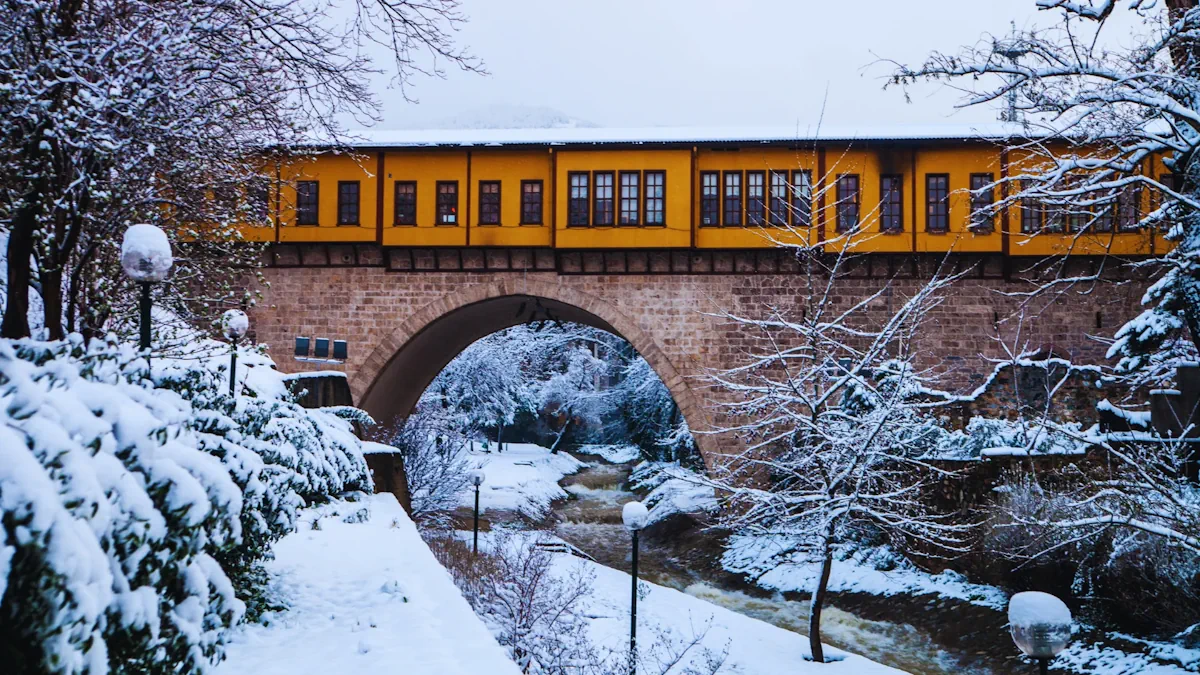
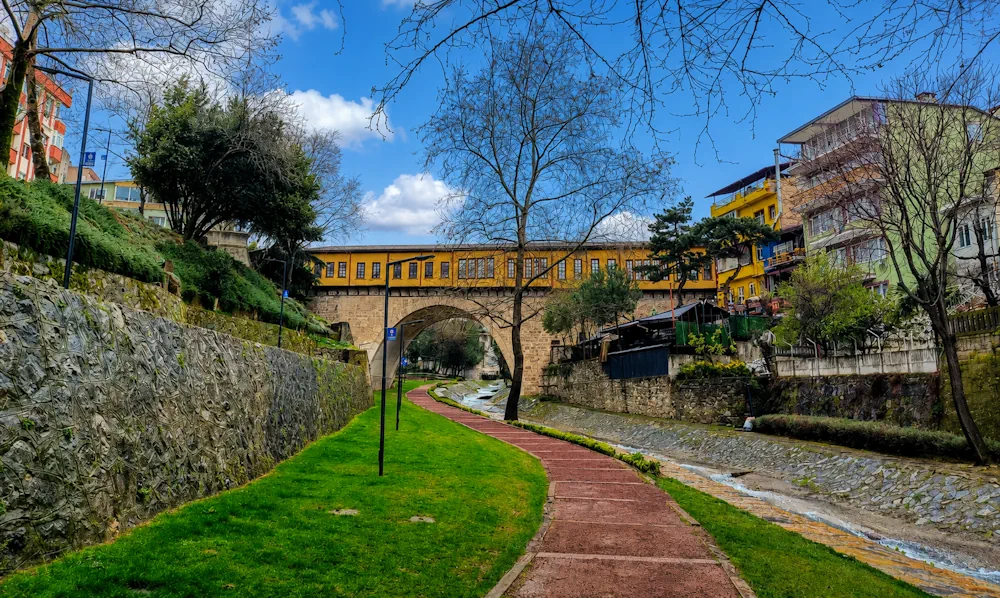
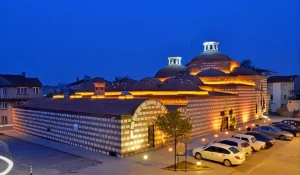
Built in 1442 by Merchant Muslihiddin, son of Pir Ali, Irgandı Bridge holds the title of being the oldest of only four bridges in the world that feature a bazaar built directly upon them. Rising over Gökdere and connecting the Osmangazi and Yıldırım districts, this historic bridge serves as a living cultural museum, hosting traditional handicraft artisans.
Highlights & Experiences at Irgandı Bridge
Traditional Handicrafts and Art Workshops
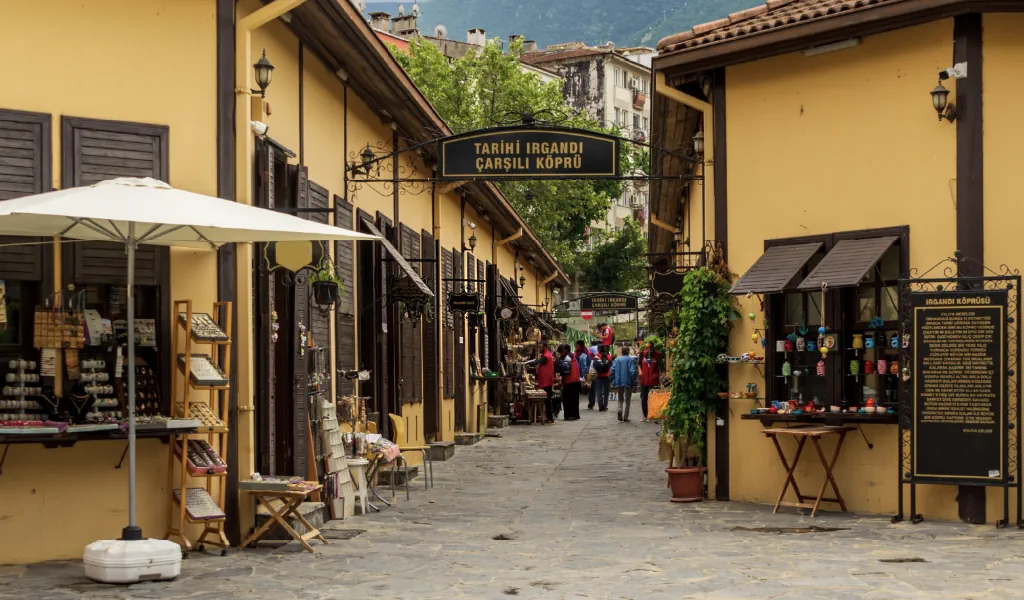
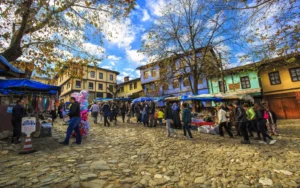
The bazaar-style shops lined along the historic bridge currently host the active workshops of master artisans. In these shops where traditional handicrafts facing extinction—such as paper marbling (Ebru), calligraphy (Hat), illumination (Tezhip), ceramics (Çini), wood carving, wire filigree (Filografi), and mother-of-pearl inlay (Sedef Kakma)—are produced, you can watch masters at work, receive information about their art, and purchase unique handcrafted items.
Gökdere View and Bridge Coffee Break
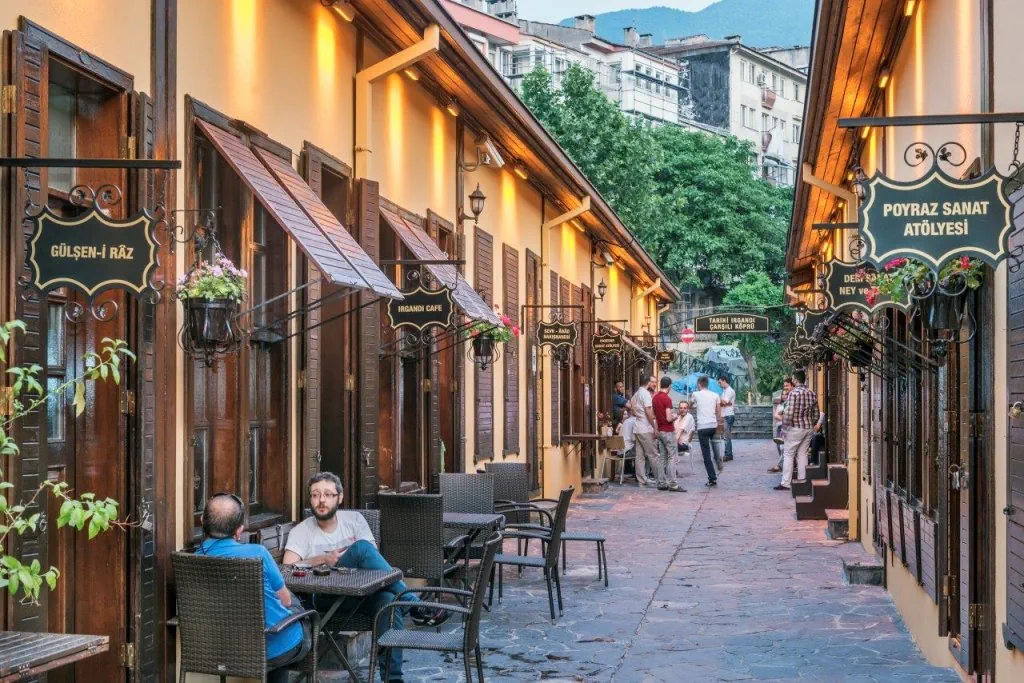
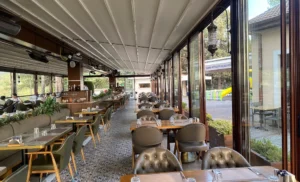
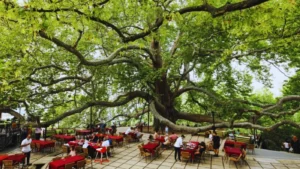
In authentic cafes integrated into the wooden and stone texture of the bridge, you can take a break accompanied by the soothing sound of Gökdere flowing underneath. These venues serving traditional Turkish coffee, brewed tea, or local sherbets offer a peaceful environment to relieve the day’s fatigue while witnessing a historic atmosphere.
Creek Bed Viewpoints and Architecture
Irgandı is a rare example of civil Ottoman architecture with its single arch and the shop lineup above it. From the viewpoints descending to the creek bed on both the Setbaşı and Yıldırım sides, you can capture the exterior architecture and arch structure of the bridge for some of Bursa’s most iconic photo opportunities.
Bridge Cafes: You can take a tea or coffee break in an authentic atmosphere accompanied by historic scenery in the cafes lined along the bridge.
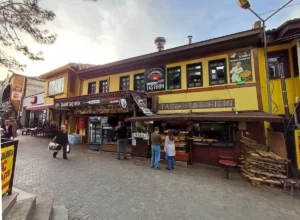
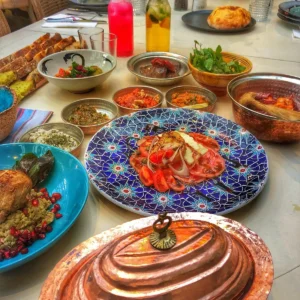
Setbaşı Restaurants: In the Setbaşı area right above the bridge, you can choose from restaurants offering various flavors, especially the famous Bursa Kebab.
DSİ Social Facilities: Located slightly further up the creek, DSİ Social Facilities offer pleasant and highly affordable food and drink options in the greenery by the riverside.
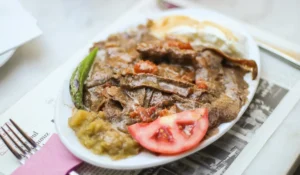
Kayhan Region Delicacies (Downhill Walking Route): For guests who prefer not to walk uphill, walking downhill from the bridge leads to the historic Kayhan Region. Here, you can taste iconic Bursa flavors like the famous Bursa Cantığı or try Pideli Köfte, a wonderful alternative to İskender Kebab.
Don't Leave Without Doing:
Visit Artisan Workshops: Watch paper marbling (Ebru) and ceramic masters at work and inspect handmade souvenirs.
Take Photos from the Creek Side: Frame the yellow-arched exterior architecture of the bridge from the creek bed angle.
Explore Around Mahfel & DSİ: Visit the historic Setbaşı Bridge right next to Irgandı, the historic Mahfel Tea Garden, and the DSİ facilities.
Eat Pideli Köfte and Cantık in Kayhan: If you don’t want to tire yourself walking uphill, walk downhill from the bridge to reach the historic Kayhan Region and taste the famous Pideli Köfte or Cantık.
Tips:
Workshop Operating Hours: Shops are generally open between 10:00 and 18:00. Some artisans may be closed on Mondays.
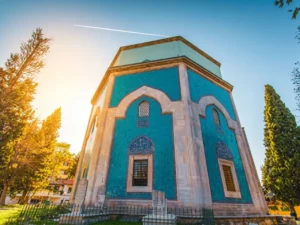
Sightseeing Route: You can combine your Irgandı visit with a pleasant walking route extending uphill toward Heykel, Mahfel, and Green Tomb (Yeşil Türbe), or downhill toward Kayhan and the Historical Bazaars & Khans Area (Tarihi Hanlar Bölgesi).
Map & Directions: